


In cold climates, white roofs can increase heat demand and potentially contribute to global warming by reflecting light back into the atmosphere.
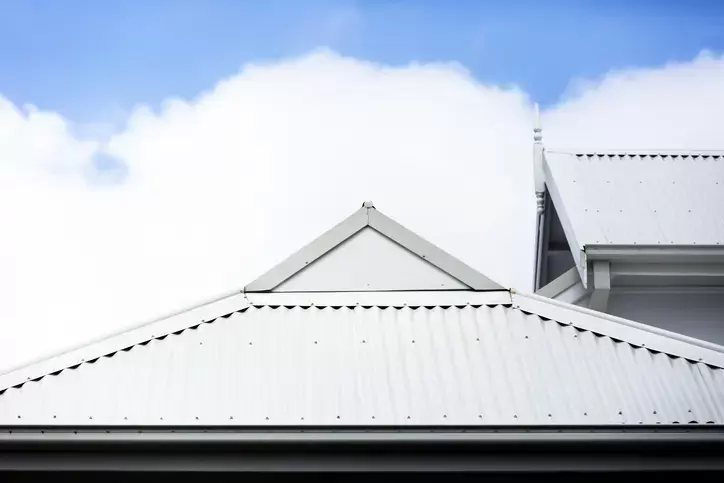
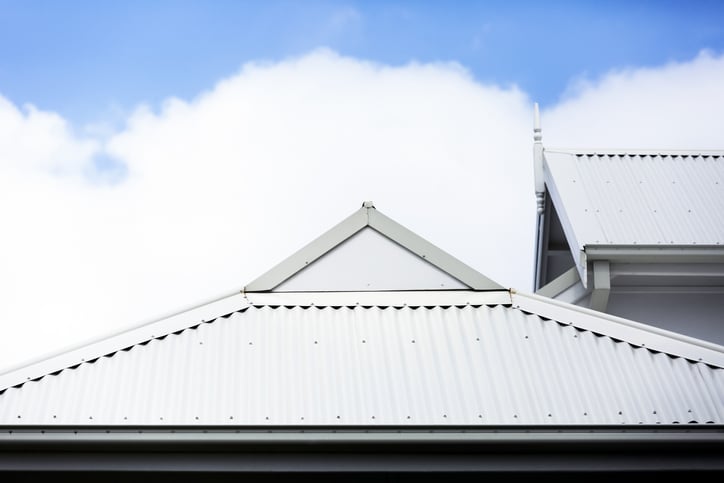
Dear EarthTalk: What is the “white roof” movement and can it really be an effective way to fight climate change?
— KM, via email
The “white roof” movement is a clever way to combat sweltering summers and reduce greenhouse gas emissions. White roofs have been a long-standing solution to heat in many countries with extreme climates, and even the ancient Greeks and Egyptians built white roofs to escape the heat. US Energy Secretary Steven Chu declared that white roofs are “one of the fastest and lowest-cost ways we can reduce our global carbon emissions and start the hard work of slowing climate change.”
With a coat of fresh white paint, a home’s interior temperature can be cooled by up to 41 degrees Fahrenheit, making air conditioning less necessary and therefore combating carbon emissions. But what is the science behind it? Well, have you ever been told not to wear black on a hot day? The opposite is true for whites. White does not absorb any visible wavelengths; All light is reflected. On the other hand, dark colors absorb light, which contributes to warming surface temperatures in urban environments.
Taking steps like these are crucial to energy conservation, and white roofs are part of the overall fight. An advantage of white roofs is the low cost and immediate effect. On a large scale, white roofs can reduce city-wide temperatures and mitigate hot climates where heat is usually trapped in dark buildings.
Critics call the “white roof” movement greenwashing, because by promoting it as a solution to global warming, some people don’t understand its true limits. In cold climates, reflected light can actually increase heat demand. It has even been suggested that white roofs could potentially cause global warming, since light is reflected back into the atmosphere. Using a white roof is still a valuable strategy, especially in hot climates, and if it ever reaches global scale, we’ve put 300 million cars out of use for 20 years. Berkeley Lab scientist Surbhi Menon notes that “these offsets help delay the warming that would otherwise occur if actual CO2 emissions were not reduced.”
To efficiently build a white, sun-reflective barrier, it’s important to identify the issues that exist with your roof, a budget, and the right products and suppliers. Painting your roof white can be a great way to reduce both your carbon footprint and the money you spend on electricity. As a community, it is important to spread awareness about this potential solution. Through social media, family and friends, encourage others to educate themselves about white roofing to understand if it will be the most beneficial for them and the environment.
–
This post was Previously published on Earthtalk.
***




If you believe in the work we’re doing at The Good Men Project, please join us as a Premium Member today.
All premium members can watch The Good Men Project without any ads.
Need more information? A full list of benefits is here.
Photo credit: iStock