


–
There is something permanent about the appearance of a classic muscle car. It’s not just nostalgia or the roar of a big-block engine—these machines influence how we think about performance, design, and even identity. While the automotive world has accelerated toward electrification and digital integration, the DNA of the muscle cars of the late 1960s remains deeply embedded in modern engineering and culture.
The conversation around cars has shifted from raw horsepower to software updates and efficiency metrics, yet the emotional connection drivers feel hasn’t disappeared. If anything, it has become more deliberate. To understand why, it’s worth examining how classic icons shape both the machines we build and the way we relate to them.
The era of the muscle car: more than just speed
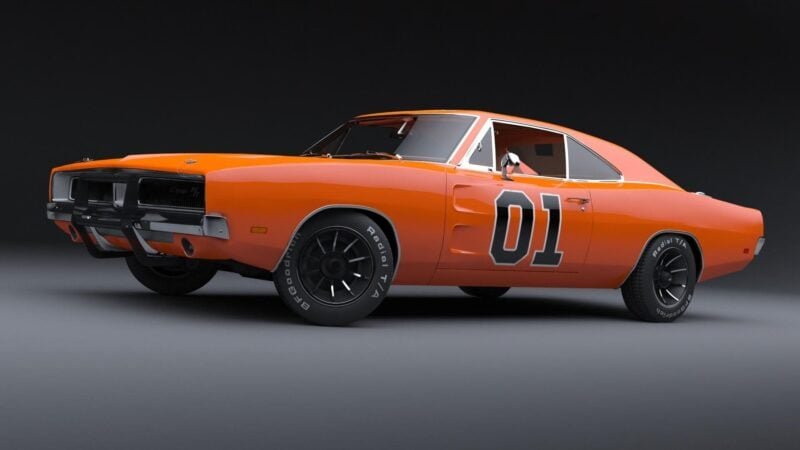
The late 1960s marked a turning point in automotive history. Manufacturers weren’t just competing with practicality—they were chasing identity. Cars became an expression of individuality, rebellion and freedom. Muscle cars, in particular, emerged as a uniquely American answer to performance: big engines, aggressive styling, and an uncompromising focus on power.
What set these vehicles apart wasn’t just their performance specs, but how accessible that performance was. You don’t have to be a professional driver or collector to appreciate them. They were loud, visceral and direct—qualities that are often filtered into today’s highly refined driving experiences.
How design language carries through the generations
From bold lines to modern interpretations
Modern sports cars often borrow visual cues from their predecessors. The long hood, short rear deck and aggressive front fascia are all design elements that harken back to the muscle car era. Even as aerodynamics and safety regulations have evolved, designers continue to reinterpret these features rather than abandon them.
This continuity is not accidental. Automakers understand that design carries emotional weight. A car that visually connects to its heritage instantly communicates purpose and character, even before the engine starts.
The role of heritage in branding
Heritage has become the automotive industry’s most valuable asset. Brands are leaning heavily on their past to create authenticity in an increasingly digital landscape. Reintroductions and restomods aren’t just about recreating old cars—they’re about reinforcing identity in a market that risks becoming homogenized.
An in-depth exploration of how technology shapes our relationship with everyday tools, including cars, can be found in this discussion of how machines influence human behavior: How technologies like cars shape us.
Reengineering the past: where classic meets precision
One of the most interesting developments in recent years has been the rise of companies that re-engineer classic vehicles using modern technology. Rather than simply restoring old cars, these builders rebuild them from the ground up, blending vintage aesthetics with contemporary reliability and performance.
An interesting example of this approach can be seen 1969 Mustang Boss 429 by Revologywhich captures the spirit of the original while integrating modern engineering standards. The result isn’t just an homage—it’s a functional evolution that allows drivers to experience the classic design without the compromises typically associated with older vehicles.
This fusion marks an important change: drivers are no longer forced to choose between emotion and practicality. They can have both, and that combination is redefining what it means to own a performance car.
Modern performance still echoes the past
Engineering advances with known intent
Today’s performance cars are undoubtedly more advanced. They feature adaptive suspension systems, advanced traction control and data-driven performance tuning. Still, the underlying goal hasn’t changed: provide an engaging driving experience.
Even the latest models draw inspiration from the muscle car philosophy. The emphasis on driver connection, throttle response, and auditory feedback remains central, even as the tools used to achieve those goals have evolved.
A look at contemporary muscle effects
Recent performance reviews highlight how modern vehicles reinterpret classic muscle ideals. For example, detailed analysis from Evaluate this performance-focused Mustang Current models show how traditional styling blends with advanced engineering The result is a car that feels both familiar and forward-thinking, reinforcing the idea that innovation doesn’t require abandoning tradition.
The Psychological Factor: Why It Still Matters
Beyond engineering and design, there’s another, more obscure reason why classic muscle cars remain relevant: They evoke emotion. A drive isn’t just about getting from point A to point B – it’s about the experience itself. Noise, vibration and even imperfections contribute to a sense of engagement that many modern vehicles struggle to replicate.
Interestingly, as cars become more automated, this emotional component becomes even more valuable. Drivers are beginning to seek out experiences that feel authentic and unadulterated, even if they come with trade-offs.
This shift suggests that the future of automotive design may not be entirely technological. Instead, it will likely involve a balance between innovation and emotional resonance — a balance that classic muscle cars have long embodied.
Where art is predominant
The automotive landscape is changing rapidly. Electrification, autonomous driving and connectivity are reshaping what cars can do However, these advances don’t erase the past—they create it.
Manufacturers are increasingly aware that performance is not just about speed or efficiency. It’s about the feeling of a driver. This realization is fueling renewed interest in design authenticity and driver engagement, even in vehicles that rely on entirely new technology.
We’re already seeing electric performance cars that try to recreate the visceral feel of traditional engines through sound design and torque delivery. Although the methods are different, the intent is rooted in the same principles that defined the muscle car era.
Conclusion
Classic muscle cars continue to shape modern automotive identity in ways that go beyond aesthetics. They influence how cars are designed, how they perform and how drivers connect with them on an emotional level. Even as technology transforms the industry, the core values established decades ago—power, presence, and individuality—remain just as relevant.
The enduring appeal of these vehicles isn’t just about nostalgia. It’s about consistency. They serve as a reminder that while technology evolves, the human desire for connection, expression and experience remains constant. And in that sense, the muscle car legacy isn’t over—it’s still being written on the streets today.
–



