


by Donna Calner
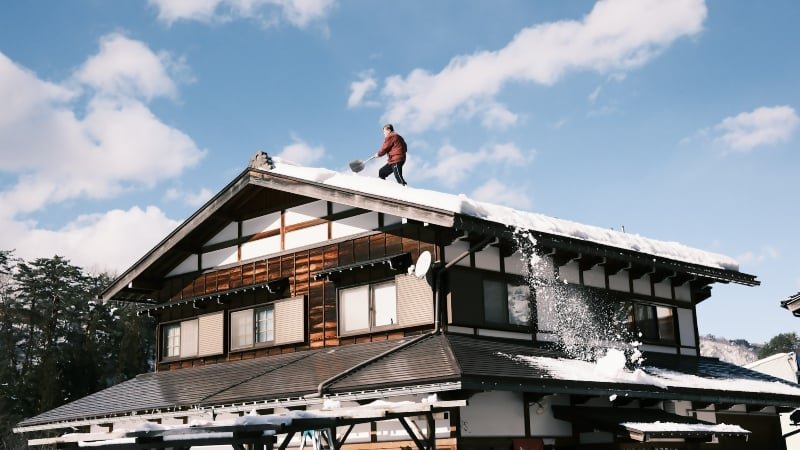
This year, my part of rural northern Wisconsin was hit with a March blizzard that dropped 30-plus inches of fresh snow. That’s a lot of weight on a roof. So as soon as the wind calmed, we got out the roof rake – a long-handled tool used to shovel snow from ground level to the roof. Removing even a portion of the snow to reduce weight can help prevent roof collapse.
Wouldn’t it be great to have a similar way to relieve some of the burden of anxiety we carry in these divided days? A tool to push back the edges a bit and encourage some melting between us and those who feel contrary to our own beliefs? A safe way to have a conversation about something other than the weather?
Maybe we could try asking questions.
We may even find that we are not as divided as we think on some issues. Case in point: the election. We probably agree with most of our rural community on the basic question, Do you want free and fair elections? I understand that we are a long way off on the specifics of how to ensure them. But maybe we can at least admit that it matters to us yes general
Since the election is on everyone’s mind this year, here are more election-related questions for when we’re all sick of grumbling about the weather.
What personal experiences have helped shape your opinion about the election? When was that? Where was it? How do you think that could be different here and now? Why? The amount of messaging used to influence perceptions about voting is so great that it can drown out the voice of experience and the context surrounding the events that matter to us. And, apparently, voters are much more motivated to amplify someone else’s messages than to tell their own stories. So let’s ask each other about them – no WHO We voted but what did it look like when we voted and what did it mean why We vote.
What personal interactions have you had with our representatives and candidates for public office? We can have face-to-face conversations with local and county-level candidates and office holders simply by attending dump or county fairs and attending governing body and committee meetings. But for state and federal offices, even campaign events, town halls and office hours may be less accessible to rural voters. So I’m always interested in what effect someone has on a neighbor. Does it seem consistent with their social media posts? Was your impression different from your expectations? Do you think they have been portrayed accurately by their opponents?
What is your personal relationship with those who conduct elections? In rural areas, there is a very good chance that most voters have a friend or family member who has served as an election official. What did they say about how they were chosen to fill that position? What training have they received? What oath did they take? Their impressions of security systems they’ve seen first hand? Concern them?
Have you participated in the public testing of voting machines? In Wisconsin, where I live, a public test is held before every election. Anyone can participate. Rarely, but this is a great time to ask the question: Is this machine considered direct recording electronic equipment, an optical scan tabulator, or something else? Does the machine record the voter’s intent, or does the voter mark a paper ballot that the machine tallies? How are paper ballots secured? How are tamper-evident seals documented? Is this machine connected to the internet? What happens if you run out of paper or jam? What if a voter wants to correct a mistake before casting a ballot? What checks and balances are in place to ensure that every ballot is counted and secured in case a recount or audit is needed?
Have you volunteered as an election observer? With some exceptions (such as candidates on the ballot), members of the Wisconsin public may observe election activity at polling places. Observers are expected to abide by certain rules (eg no campaigning) and refrain from disruptive behavior. But it’s interesting to hear what the observers’ experiences are, which can look quite different in a rural area than in an urban polling station. Did voters check in with an electronic device or sign a paper vote book? Did poll workers process absentee ballots as well as issue ballots to individual voters? When were you able to ask questions? If an irregularity occurred, were you satisfied with the good faith efforts of the poll workers to correct or document the incident? How did your observational experience measure up against your expectations?
How should errors be handled? Humans make mistakes – even those of us with perfectionist tendencies (criminals). How can we tell the difference between an honest mistake and a fraud? Do you believe self-reporting errors or possible errors by poll workers here? What criminal penalties already apply to actions that could result in someone being disqualified from voting or registering to vote? Do you think self-reporting of wrongdoing would increase or decrease if poll workers faced additional criminal penalties?
How much time do you think our municipal (or county) clerk spends conducting elections? What do you think our municipality pays for staff, equipment, materials and training to conduct elections? What do you think is the top concern of local officials about how voting is done here?
How long do you think it will take to announce the winner of an election? Could there be any legitimate reasons why the election results may take longer to be certified? Which would you find more uncomfortable: a quick announcement that might have to be adjusted later or a delay in reporting that leaves voters questioning the results for too long? Does the result apply equally to the candidate you support and the candidate you oppose? What conditions do you think should be applied to make recount mandatory?
What do you do? A 2024 survey More than one-third of local election officials have experienced threats, harassment or abuse specifically because of their job. And 45% of those who reported threats did not file a report with law enforcement. What kind of behavior would you consider threatening if you instructed a family member working at the polls here? What would you do if you witnessed that behavior? What do you think can be done to moderate the likelihood of such behavior?
Know how ties are broken in local elections? How do you do it? Do you think online betting on election results should be legal?
Where to find election information? with more than 10,000 Jurisdiction of Election Administration In the United States, sources of information that inform opinion. This can be a sensitive question so approach it with genuine curiosity rather than a debate point for rebuttal. Where to find election information? Where do I find election information? Do you think the information we receive is complete, accurate and unbiased? What kind of information do you find credible? What kind of makes you uncomfortable? What would you change about campaign advertising, if you could? What would you change, if you could, about our family and community conversations?
This is federal Election Assistance Commission site Links to state and county election administration offices and information about options to register to vote, update voter registration, check registration status, and cast a ballot.
Donna Calner writes from Langlade County in rural northern Wisconsin.
this Article appeared first The Daily Yonder and is republished here under a Creative Commons Attribution-NoDerivatives 4.0 International License.
–
Previously published with dailyyonder.com Creative Commons License
***
–
The world is changing fast. We help keep you.
We will send you 1 post, 3 times per week
Join The Good Men Project as a Premium Member today.
All premium members can watch The Good Men Project without any ads. A full list of benefits is here.
–
Image: splash



