


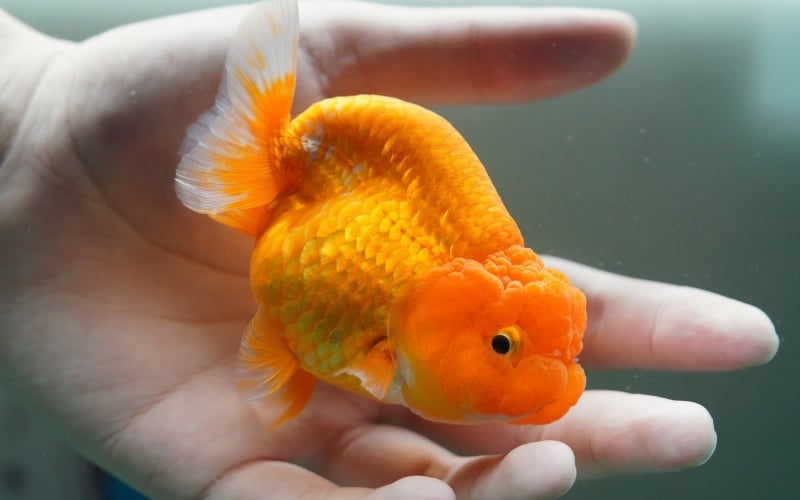
Goldfish are a familiar sight in homes, classrooms and backyard ponds around the world.
But when they’re released into lakes and ponds, they can quickly turn healthy freshwater ecosystems into environments that struggle to support native life, new research shows.
The study, led by researchers at the University of Missouri and the University of Toledo, provides the strongest experimental evidence to date that invasive goldfish can fundamentally alter lake ecosystems.
The findings underscore a growing concern among environmentalists: Goldfish may be popular pets, but in the wild they can become powerful environmental disruptors.
“If goldfish are released into the wild, they quickly become large fish that stir up lake sediments, consume large numbers of prey and compete with native fish,” said Rick Reilly, professor in the College of Agriculture, Food and Natural Resources, director of studies at Missouri’s Johnnie Morris Institute of Fisheries and Wetlands Systems.
To understand how these changes manifest throughout the ecosystem, the research team conducted large, controlled outdoor experiments using small, artificial lakes designed to mimic real-world conditions. They introduced goldfish into experimental lake ecosystems that represent two typical environmental conditions—nutrient-poor and nutrient-rich waters—and monitored the environmental outcomes over time.
The results were drastic. Water quality declines rapidly as goldfish churn up bottom sediments, clouding the water and increasing suspended particles, indicating a fundamental change in ecosystem conditions.
Native species were also affected. Populations of snails, amphipods, and zooplankton—small invertebrates that form the foundation of healthy aquatic ecosystems—decline rapidly due to goldfish predation and habitat destruction. Competing directly with goldfish for food and other resources, body condition of native fish has also declined, an early warning sign of long-term population decline.
These effects were not limited to any single type of lake. Whether the waters are nutrient-poor or nutrient-rich, goldfish consistently alter ecosystem functioning, suggesting immunity to some freshwater systems.
The study also used two complementary experimental approaches that allowed researchers to separate goldfish-specific effects from changes caused by having more fish in a system. Although some changes in plant communities were tied to overall fish density, the most severe ecological damage was directly attributable to goldfish.
In lakes invaded by goldfish, researchers have documented what ecologists call a “regime shift”—a tipping point where an ecosystem quickly reorganizes into a fundamentally different, often degraded state. Once that point is crossed, researchers say such changes are prohibitively difficult and expensive.
“It’s very important to inform the public that their pets can become pests that harm freshwater ecosystems,” said William Hintz, associate professor at the University of Toledo and lead author of the study.
“Releasing a goldfish into the wild may seem like kindness, but it can quickly become a major ecological threat.”
The global pet trade moves species around the world at unprecedented rates, and goldfish rank among the most widely distributed ornamental fish on Earth.
The researchers urge natural resource managers to consider goldfish a high-priority invasive species and invest in prevention, early detection and control efforts before populations become established. They emphasize the importance of public education so that pet owners understand the environmental consequences of releasing aquatic animals.
For pet owners with unwanted goldfish, humane options include returning the fish to the pet store, rehoming them with other aquarium enthusiasts, or contacting local wildlife authorities for guidance.
Research shows Journal of Animal Ecology.
Source: University of Missouri
Original study DOI: 10.1111/1365-2656.70259
–
Previously published with future.org Creative Commons License
***
–
The world is changing fast. We help keep you.
We will send you 1 post, 3 times per week
Join The Good Men Project as a Premium Member today.
All premium members can watch The Good Men Project without any ads. Need more information? A full list of benefits is here.
–
Photo credit: splash



