

by U Zurich
Researchers at the University of Zurich (UZH) have shown that oxytocin levels increase when competition or clearly defined groups are involved – especially in men.
“Previous work showed that taking oxytocin with a nasal spray can make people more ‘group’,” said Charlotte Debrus of UZH’s Institute of Evolutionary Medicine, who conducted the study as part of her doctoral research.
“But it is not known whether OT increases naturally during group competition.”
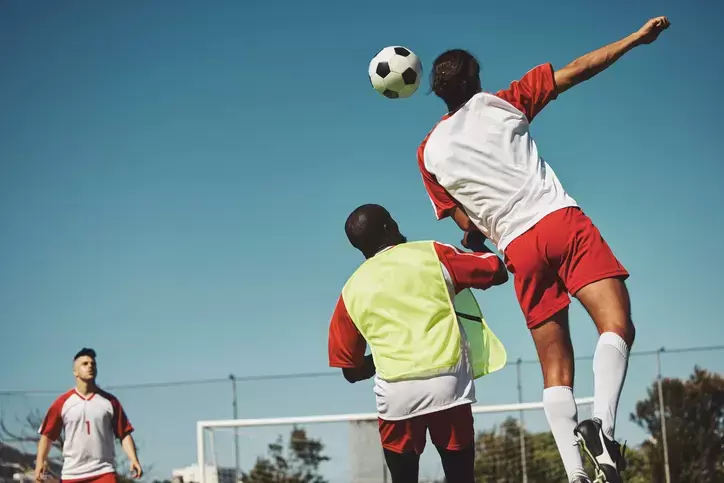
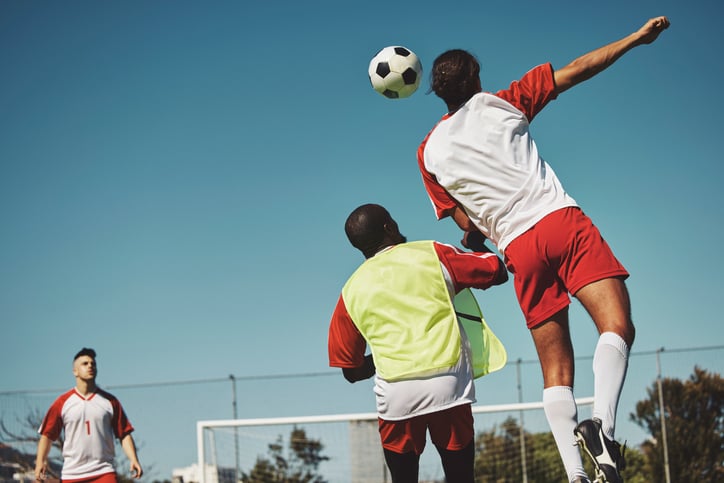
To systematically study competition, researchers organized soccer tournaments with the indigenous Tsimane’ people in the Bolivian Amazon.
“The Tsimane’s lifestyle affects their hormone levels,” says Adrian Jaeggi, also from UZH’s Institute of Evolutionary Medicine, who has been conducting research at the site since 2011.
such as reproductive hormone levels Testosterone Or progesterone is low when calories are hard to come by. Meanwhile, the social factors associated with OT are perhaps particularly important in these highly interdependent societies. To test their hypothesis, the researchers measured oxytocin levels in the urine of soccer players before and after matches.
Oxytocin levels increased the most after matches against familiar rivals but were lower among different ethnic groups. When Tsimane played against ‘non-Tsimane’ people, however, the increase was again higher.
“This suggests that oxytocin is sensitive to the salience of antagonists—showing heightened responsiveness both to familiar competitors and to a clearly defined out-group,” Jaeggi said.
A particularly interesting finding of the study was that women’s OT levels did not differ from men’s before or after play. Debrus cites several possible explanations for this.
“First, women started at higher baseline levels, because many of them were breastfeeding, which can make it harder to detect change.”
It is also possible that football may not hold the same significance for women, as they play less than men. Another explanation is provided by the “male warrior hypothesis”, which proposes that males generally evolved to invest more in group competition.
“The most important form of competition for ‘Tsimane’ women may involve relational dynamics, such as reputation management or rather than physical competition for social support,” Debras said.
The study does not make it possible to determine whether OT increases primarily promote cohesion within teams or competition with opposing teams. In team sports, both sides are closely related.
“Cooperation can be a successful way to compete in the game of life, and seems to be a key ingredient for OT,” Jaeggi says. “OT has been linked to group conflict in species ranging from fish to chimpanzees. Our findings show that similar mechanisms exist in humans.”
Research shows Proceedings of the Royal Society B.
Source: University of Zurich
–
This post was Previously published on FUTURITY.ORG and is republished here under a Creative Commons License.
–
A Good Men ProjectWe are happy to work from Syndicate the futureA publication dedicated to making research and science news accessible to the public We value Futures because it takes serious work from universities and researchers around the world and translates it into clear, readable stories that help understand what’s changing in science, health, technology, behavior and public life.
This is important to us for several reasons. We believe good information is part of how people live well in a rapidly changing world. Research can sometimes seem remote, technical, or intimidating, but it often speaks directly to questions that people are already living: how relationships work, how stress affects behavior, how health is shaped, how communities change, and how new discoveries can change everyday life in the years ahead. Future helps close that gap. It plays an important role in making evidence-based knowledge more accessible at a time when misinformation, cynicism and distrust of expertise can make it difficult for people to know what to believe. This is one of the reasons we are delighted to share this work with our readers.
Frequently Asked Questions – About the Good Men Project
What is the good male project?
The Good Men Project is a mission-driven media platform founded in 2010 that explores modern masculinity, men’s mental health, relationships, fatherhood, identity and social change through personal stories, expert insights and cultural analysis.
What is the mission of the Good Men Project?
Our mission is to expand the conversation about what it means to be a good person in the 21st century — in ways that are inclusive, emotionally honest, and grounded in real human experience.
How does GMP communicate content about science and technology?
We examine science and technology through their impact on people’s lives. From AI and automation to social media and climate science, GMP explores how rapid technological change affects identity, work, relationships, mental health, civic responsibility, and the legacy and civic responsibility we all inherit. We partner with other trusted sources, and trust science and research to inform good decisions in a rapidly changing world.
–


If you believe in the work we’re doing at The Good Men Project, please join us as a Premium Member today.
All premium members can watch The Good Men Project without any ads.
Need more information? A full list of benefits is here.
Good Men Project Founded in 2010, is a mission-driven media platform that helps authors, brands, agencies and organizations build credibility, audience and long-term authority. Publishing stories about masculinity, mental health, relationships, fatherhood, identity and personal development, GMP provides a trusted ecosystem where ideas gain visibility, trust and resilience in both search and AI-driven discovery. The platform supports individual contributors as well as high-volume agencies through paid guest posts, sponsored content, and a bulk publishing system designed for scale.
–
Photo credit: iStock.com