

by Kevin Wiatrowski@MyCarolinaLife.com
Vitamin D is crucial for maintaining strong bones and healthy muscles, but it is one of the vitamins that we are most commonly lacking in our bodies.
Up to 35 percent of American adults have low vitamin D. This condition occurs more often in women after 50 years and in all adults after 65 years. Dark-skinned people and those who spend most of their time indoors are also at risk of vitamin D deficiency, which can lead to deep fatigue, weak bones and muscles.
“Vitamin D plays an important role in helping to balance calcium in the kidneys, skin and digestive system,” says Dr. Matthew McCoskeyThis is a provider Tidelands Health Family Medicine in Myrtle Beach. “A lot of the symptoms really depend on how low your levels are and what stage of life you are in.”
Why do we need vitamin D?
Vitamin D helps the body absorb calcium, a mineral needed for bone strength, muscle contraction, nerve function and more. Without adequate vitamin D, even calcium-rich foods can be deficient.
Because vitamin D is fat-soluble, the body stores it in tissues. But that means deficits can build slowly and quietly.
“Most people expect a dramatic symptom if a vitamin is low, but vitamin D can chip away at your health over time,” says Dr. McCoskey. “When someone comes to see me, they’re often dealing with a variety of symptoms.”
Symptoms of low vitamin D
Vitamin D deficiency in children can present as rickets, a rare but serious condition that leads to soft, weak bones and, in some cases, bowed legs.
“Fortunately, rickets is uncommon today because many foods are fortified with vitamin D,” says Dr. McCoskey. “But it’s still something we watch closely in kids who are picky eaters or who have limited sun exposure.”
Adults usually experience more subtle symptoms of low vitamin D, including:
- Constant fatigue
- Bone or joint pain
- muscle weakness
- Mood swings including depression
- thin hair
- A weak immune system
Low vitamin D can affect anyone, but some health conditions make a deficiency more likely:
- Kidney or liver disease, which alters vitamin D processing
- Obesity, which can block vitamin D in fat cells
- Gastric bypass surgery, which reduces absorption
- Intestinal disorders such as Crohn’s disease, celiac disease and cystic fibrosis
“Any condition that affects digestion or fat absorption puts someone at higher risk,” says Dr. McCoskey. “Vitamin D is absorbed in the gut, so anything that interferes with it can have downstream effects. And these symptoms overlap with many other conditions, which is why it often goes undiagnosed unless we’re looking for it.”
Ways to Improve Your Vitamin D Levels
The simplest treatment for low vitamin D is also the most enjoyable: spending time in the sun.
“Sunlight is intimately involved in vitamin D processing,” says Dr. McCoskey. “I’m a huge advocate of getting people outside, not just for vitamin D, but for overall mental and physical health.”
Just 10-15 minutes of sun exposure most days is enough to activate vitamin D production in many people’s bodies. Factors such as sunscreen, clothing coverage, skin pigmentation and season can affect this, so individual needs vary.
If sunshine isn’t a reliable option, vitamin D-rich foods can help fill the gap. Natural or protected sources include:
- Oily fish such as salmon, tuna and mackerel
- the egg
- Milk and milk products
- Protected food grains
- Fortified orange juice
For many adults, however, diet alone still may not provide enough vitamin D.
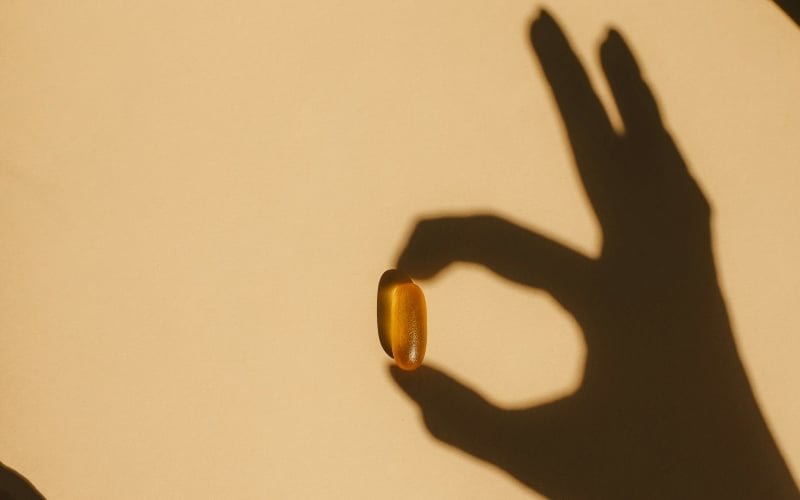
Over-the-counter vitamin D3 supplements can increase levels safely for most people. However, Dr. McCoskey recommends speaking with a provider before starting a new supplement.
“More is not always better,” he says. “Too much vitamin D can cause kidney stones or calcium deposits in blood vessels. A simple blood test can help determine exactly what dose you need.”
–
MyCarolinaLife.com A news service of Tidelands Health.
Join The Good Men Project as a Premium Member today.
All premium members can watch The Good Men Project without any ads. Need more information? A full list of benefits is here.
–
Photo credit: splash