


–
Rethinking the modern home workspace
The concept of the workplace in the UK has changed significantly over the past few years. What was once a clearly defined corner of an office building has now become a flexible part of the home. Dining tables, spare bedrooms, even living room corners have been reimagined as workspaces.
But as working from home has become commonplace, so has the quiet feeling of exhaustion. Many people are discovering that traditional setups — rigid desks, fixed chairs and static layouts — don’t always support the rhythms of modern work life.
This has led to a growing shift in how people think about workplace design. Instead of focusing purely on productivity, the emphasis is now on comfort, well-being and mental ease. In other words, workplaces are getting softer, not harder.
Problems with traditional work setups
Conventional office environments are designed for efficiency above all else. Fixed-height desks, structured layouts, and uniform seating arrangements were intended to maximize output. While effective in a corporate setting, these designs don’t always translate well to a home environment.
At home, workplaces need to do more than support work – they need to coexist with everyday life. A rigid setup can often feel physically confining and emotionally draining, especially when the same space is used for long periods of time.
Common problems include:
- Physical stiffness from a fixed sitting position
- Lack of movement throughout the day
- Visual fatigue from cluttered or elaborate setups
- Difficulty separating work and rest
These challenges have encouraged many people to rethink what a “good” workplace actually looks like
Shift towards soft work environment
A soft workplace is not about reduced productivity. Instead, it’s about creating environments that support both focus and relaxation. This means designing spaces that adapt to the user rather than forcing the user to adapt.
In practice, soft workplaces often include:
- Flexible furniture that adjusts to different positions
- Calmer, less rigid visual layout
- Improved ergonomic support
- Smooth transition between sitting and standing
The goal is to reduce physical stress and create a more natural flow between work tasks and breaks.
Why movement is important in the modern workplace
One of the key insights shaping modern workplace design is the importance of movement. Sitting in one position for long periods of time can contribute to discomfort, loss of energy, and loss of concentration.
As a result, more people are incorporating movement into their workday. This doesn’t necessarily mean exercise breaks or structured routines – it can be as simple as changing posture, adjusting desk height or alternating between sitting and standing.
This concept has played a major role in the rise of adjustable furniture, especially in home office setups.
The role of adjustable furniture in the soft workplace
Adjustable furniture introduces flexibility to an environment that was once static. Instead of committing to a specific location, users can adapt their workspace throughout the day.
This adaptability supports both physical comfort and mental clarity. A change in posture or work position can help reset focus, reduce fatigue, and create a more dynamic work experience.
One of the most significant developments in this field is the increasing use of height-adjustable desks. They allow users to switch between sitting and standing, helping to break up long periods of inactivity.
In this context, the solution is one such Adjustable standing desk has become increasingly relevant in the modern UK home office.
Creating a balance between work and wellness
Soft workplaces aren’t just about physical comfort—they’re also about emotional balance. When a workplace feels overly rigid or chaotic, it can contribute to stress and reduce the ability to concentrate.
A more flexible environment helps create a sense of comfort. It allows people to naturally shift between different modes of work, be it deep focus, creative thinking or short breaks.
This balance is especially important in the home environment, where the boundaries between work and personal life often blur.
Aesthetic aspects of soft workspaces
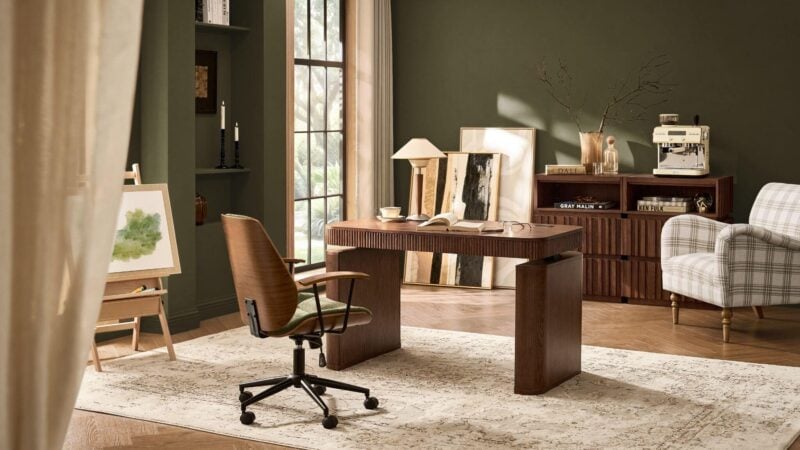
Alongside functionality, a strong aesthetic shift is occurring in workspace design. Rigid, purely functional office setups are being replaced with more thoughtful, home-integrated designs.
Soft workspaces often feature:
- Neutral color palette
- Natural materials and textures
- Minimal visual clutter
- Furniture that blends in with the interior of the home
This creates an environment that feels less like a traditional office and more like a natural extension of the home.
The result is a workspace that supports focus without feeling disconnected from daily living.
Why flexibility is the future of home work
As hybrid work continues to shape daily routines in the UK, flexibility has become essential. People are no longer working in a fixed location for a fixed period of time – they are moving between jobs, places and schedules throughout the day.
This requires furniture and layouts that can keep pace with changing needs. Adjustable and adaptive designs make it easy to maintain comfort and productivity without sacrificing wellness. A good example of this approach can be seen in brands like Home Rulewhich focuses on furniture designed for modern, flexible living environments.
Designing a workspace that works with you
The shift toward soft workspaces reflects a broader shift in how people think about work. Productivity is no longer just about structure and discipline – it’s also about comfort, adaptability and sustainability over the long haul.
By introducing flexibility into everyday setups, modern home offices are becoming more human-centric. They support movement, reduce stress and create environments that feel easy to live and work in.
In this new approach to workspace design, softness isn’t a weakness—it’s a strategy for a better, more balanced work life.
–