
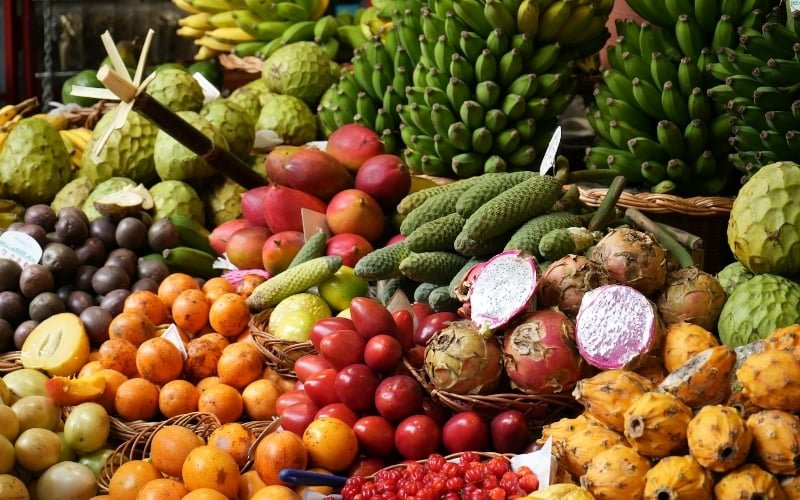

Voucher incentive programs, which provide coupons, vouchers, and financial incentives to low-income individuals, provide an effective solution.

by Audrey Lee
Dear EarthTalk: What are some innovative ways to get more fresh food—fruits and vegetables—to low-income people?
—Paul Towner, Boston, MA
Across the United States, communities are facing a growing problem – a lack of healthy, fresh food With the price of fruits and vegetables increasing by 40 percent since 1980 and the price of processed foods falling by 20-30 percent, many families find that buying processed foods is the only smart economic decision. Now, with the Centers for Disease Control and Prevention (CDC) reporting that one in 10 adults eats enough fruits and vegetables, expanding access to low-income communities is more important than ever.
Voucher incentive programs, which provide coupons, vouchers, and financial incentives to low-income individuals, provide an effective solution. For example, the New York City Department of Health introduced $2 NYC Health Bucks coupons in 2004, giving SNAP recipients $2 toward fresh produce for every $5 spent at a farmer’s market. By lowering financial barriers to purchasing fresh produce, these programs allow consumers to choose healthier food options without sacrificing affordability.
Similarly, prescription programs expand accessible access to fresh foods through the health care pipeline: health care workers such as physicians and nurse practitioners can prescribe fruits and vegetables to patients with chronic diseases or lack of access to nutritious foods. Fresh Prescription, a Produce Prescription program implemented in Detroit, found significant reductions in hemoglobin H1c for its participants, indicating a lower risk of diabetes complications and better heart health.
These programs have proven successful in improving both access to fresh food options and people’s food quality. According to Fresh Approach, an organization that provides Veggie RX services — a produce prescription program — in the San Francisco Bay Area, 89 percent of participants reported eating more vegetables since the program began. “With eight people in our family, I have to really watch what I spend money on, so I do a lot of coupon clipping, but you can’t find coupons for fruits and vegetables,” reports Bethany Thompson, a VeggieRx client. “The VeggieRx program is absolutely fantastic because it helps me afford the healthy foods I want to feed all my kids.”
However, America’s food and nutrition insecurity crisis is far from over. Organizations still face inconsistent funding, limiting the amount of people they can directly support. Consumers can support these programs by donating to partner organizations and telling others how to get involved Together, communities can help expand access to nutritious food for everyone, for everyone.
communication
Earthtalk® Produced by Roddy Shear and Doug Moss for the 501(c)3 nonprofit EarthTalk. See more at https://emagazine.com. To donate, visit https://earthtalk.org. Send questions here: (email protected).
–
Previously published in the newspaper
***


If you believe in the work we’re doing at The Good Men Project, please join us as a Premium Member today.
All premium members can watch The Good Men Project without any ads.
Need more information? A full list of benefits is here.
–
Image: splash



