
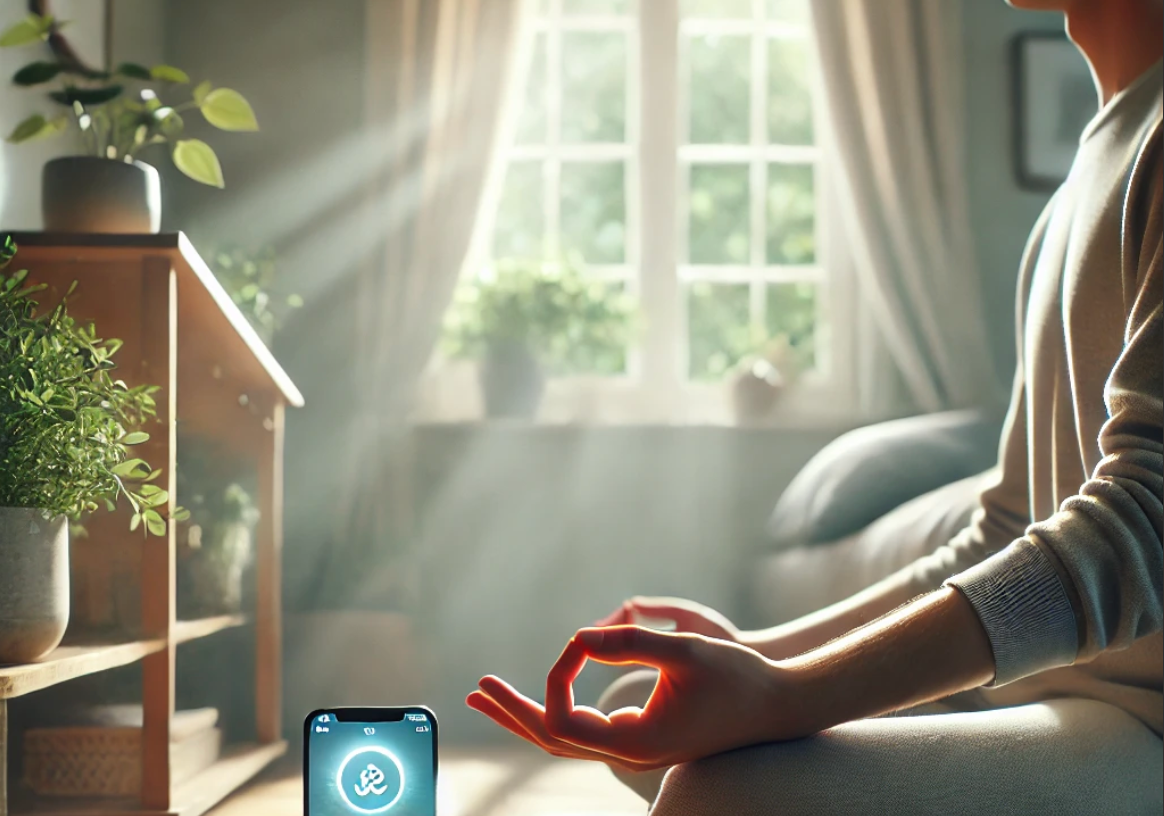

Meditation has long been regarded as a powerful tool for developing mindfulness, reducing stress and increasing overall well-being. However, for many, adopting or sustaining the practice can be challenging. Whether it’s difficulty sitting still, lack of motivation, or a struggle to focus, interruptions to meditation are common. Enter gamification—a technique that uses game-like elements to make activities more engaging and rewarding Gamification has gained traction in fields ranging from education to fitness, and is increasingly being applied to meditation to make it more accessible and engaging.
In this article, we’ll explore how gamification works, its integration into meditation practice, and the potential benefits and challenges of bringing these seemingly disparate worlds together.

Understanding Gamification
Gamification refers to the application of game mechanics—such as points, badges, levels, challenges, and leaderboards—to motivate and engage users in non-gaming contexts. Tap into it Psychological principles Competition, like rewards and advancement, can drive people to stay committed to their goals.
When applied to meditation, gamification transforms what is often considered a passive or abstract practice into an interactive and goal-oriented experience. By incorporating game-like elements, meditation can feel less difficult and more enjoyable, encouraging users to develop and maintain a consistent practice.
How Gamification Enhances Meditation
1. Encourage consistency and habit formation
One of the biggest challenges of meditation is practicing it regularly. Gamification can help by creating a sense of accountability and motivation. Features like streaks, daily reminders, and progress tracking make it easy for users to stay on track. For example:
- Streak Counter: Apps like Calm and Headspace use streak counters to show how many consecutive days a user has meditated. This visual progression motivates individuals to maintain their streak and build a habit.
- Milestones and Awards: Earning badges for reaching milestones or unlocking new content reinforces the sense of achievement, keeping users engaged over time.
2. Making meditation fun and accessible
Gamification can make meditation feel less intimidating, especially for beginners who may struggle with traditional methods. Game mechanics introduce elements of play, curiosity and challenge that make the exercise more engaging. For example:
- Interactive Guided Session: Apps like Insight Timer use gamified elements like unlocking new meditation themes or stories as users progress.
- Mini-Challenges: Short-term challenges, such as meditating for five minutes a day for a week, make starting a meditation practice manageable and enjoyable.
3. Provide immediate feedback
A common frustration for those new to meditation is not knowing if they are “getting it right.” Gamification can address this by providing real-time feedback through biometric data or interactive features. For example:
- Biofeedback sensor: Devices like Muse and Core use gamified biofeedback to show how brain waves, heart rate, or breathing patterns change during meditation. Users can “see” their progress, creating a tangible connection to their practice.
- Reward Focus: Some gamified meditation platforms reward users with points or progress when they maintain focus or return their attention to the present moment after a distraction.
4. Fostering community and competition
Gamification often leverages social elements to increase engagement. Meditation apps can use leaderboards, group challenges or social sharing to create a sense of community and friendly competition. For example:
- Leaderboard: Apps like Insight Timer rank users based on their meditation time or streak, which motivates users to strive for higher rankings.
- Group Challenge: Joining a group meditation challenge creates a sense of shared purpose and accountability.
The popular gamified meditation tool
Several meditation apps and devices have successfully integrated gamification to enhance the user experience:
- Headspace: Known for its approachable design, Headspace incorporates gamified elements like streaks, achievements and progress tracking to keep users engaged.
- quiet: While focusing on relaxation and mindfulness, calm down Uses milestones, visual progress indicators and guided challenges to make meditation accessible.
- Magic: A brain-sensing headband that provides real-time feedback on brain activity during meditation. Gamified features include tracking calmness and rewarding users with relaxing soundscapes while improving focus.
- Insight Timer: This app blends gamified elements like badges and social leaderboards to compare meditation times for consistent use with traditional meditation practice.
- waking up: Sam Harris’ meditation app uses subtle gamification by tracking progress and unlocking advanced lessons as users complete basic courses.

The psychological benefits of gamifying meditation
1. Increased motivation
Gamification taps into intrinsic and extrinsic motivations. While the inherent benefits of meditation, such as reduced stress and improved focus, may take time to materialize, gamified rewards provide immediate gratification, encouraging users to continue practicing.
2. Improved focus and engagement
Game-like elements such as real-time feedback and challenges create a sense of flow, where users are fully immersed in the activity. This heightened engagement can improve focus during meditation sessions.
3. Reduction resistance
For beginners or those who are skeptical about meditation, gamification lowers the barrier to entry by making meditation an interactive and enjoyable activity rather than a rigid or mystical practice.
4. Building resilience
Gamification is often involved Overcome the challenge or setbacks, which reflect the process of building resilience in meditation. For example, “losing” a streak but starting again encourages a growth mindset.

Challenges and Considerations
Although gamification offers many benefits, it is not without challenges:
1. Overemphasis on rewards
Focusing too much on external rewards like badges or leaderboards can detract from the underlying goals of meditation, such as mindfulness and self-awareness. Users may become more fixated on achieving milestones than building an actual presence.
2. Comparison risk
Leaderboards and social elements can sometimes lead to unhealthy comparisons, where individuals measure their progress against others instead of focusing on their personal journey.
3. Loss of authenticity
Critics argue that gaming dilutes its essence, turning a practice rooted in stillness and introspection into a goal-oriented activity.
4. Dependence on technology
Relying on apps or devices for meditation can create a dependency that can prevent users from practicing independently.

Finding the Balance
To avoid the pitfalls of gamified meditation and reap its benefits, it’s important to strike a balance:
- Focus on the underlying goals: Gamified elements should complement, not overshadow, the deeper goals of meditation. Apps can encourage users to reflect on their progress and the benefits they experience outside of the app.
- Experience: Different users have different needs. Some may thrive on gamified features, while others prefer a minimalist approach. Providing customizable options ensures inclusion.
- Encourage independence: Gamification should act as a bridge to help users create a sustainable practice. Over time, users can transition to meditation without relying on apps or devices.
Conclusion
Gamification has the potential to transform meditation from a chore into an engaging and rewarding journey. Using game mechanics, meditation becomes more accessible, motivating and enjoyable for individuals of all experience levels. However, it is essential to use gamification thoughtfully, ensuring that the authenticity and deeper purpose of the practice remains intact.
As the intersection of technology and Mindfulness Constantly evolving, gamified meditation represents an innovative approach to helping more people experience the profound benefits of mindfulness. Whether through streak counters, biofeedback, or community challenges, gamification has the power to guide users toward healthier, more mindful lifestyles—one reward at a time.