


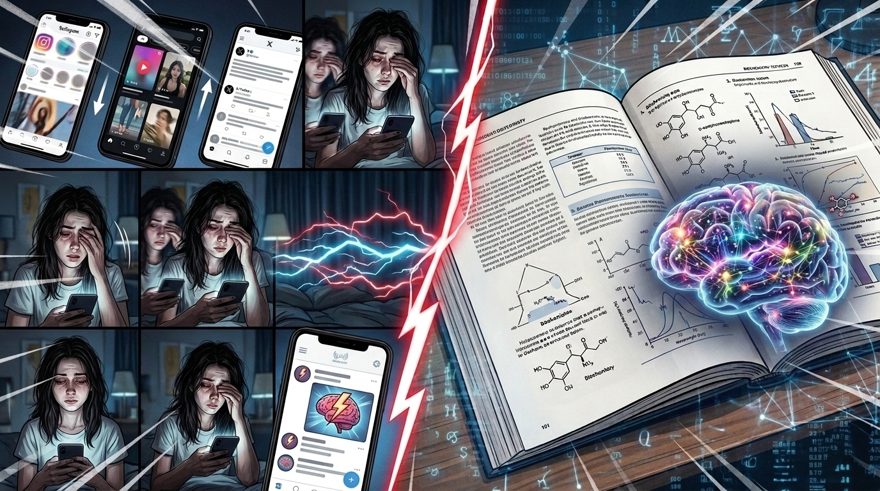
Have you ever wondered why you can scroll through social media for three hours but struggle to focus on a textbook for fifteen minutes? The truth is, your brain isn’t broken – it’s just hijacked.
In today’s lesson, we’re going to explore why It’s easy to get addicted to studyingactually Through an engaging story designed to help you learn englishWe’ll dive into the science of dopamine and show you how to rewire your brain for success in 2026. By the end of this post, you’ll have mastered new English vocabulary and a productivity hack that will change your life.
The video @TinyPositive “Learn English through Stories: Getting Addicted to Studying (It’s Easy)“ Provides a narrative-driven approach to English mastery while teaching science-backed productivity strategies. It focuses on how individuals can rewire their brains to prefer studying over distractions like social media.
Getting Addicted to Studying (It’s Easy)
Let’s get straight to the point: You can literally hack your brain to study the way it craves endless scrolling.
Ever wonder why you can lose three hours on TikTok but can’t focus on textbooks for fifteen minutes? It comes down to one word: dopamine.
Dopamine is your brain’s “heat-seeking missile” for pleasure. Right now, you’re giving it an absolute feast. Each swipe is a joke, a dance, or a damning tidbit delivered in seconds. No effort required.
Meanwhile, studying? It’s at the bottom of the scale. Books and lectures are in demand Focus And effort before they give you a reward. Your brain is essentially priming the concentrated dopamine from your phone, making everything else seem boring.
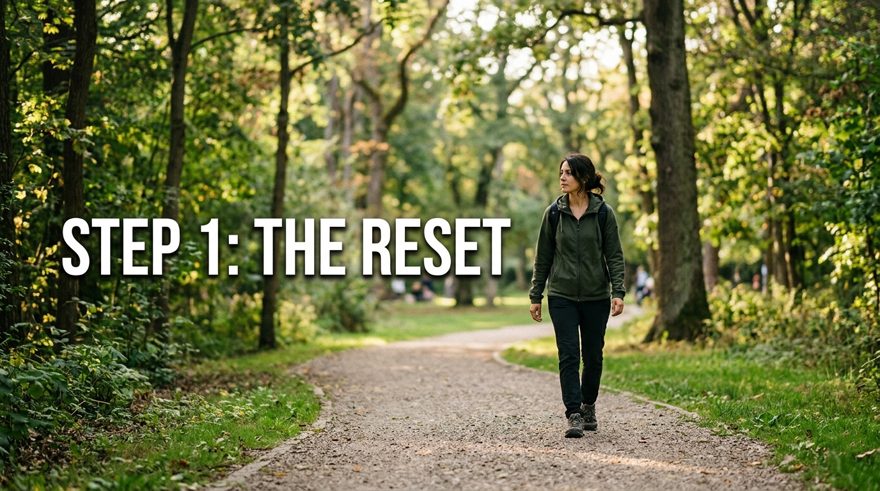
Step 1: Reset
To fix this, you need a dopamine reset. I’m not talking about a month in the jungle. I’m talking about small, daily exercises to restore your system.
Spend 15 minutes a day in complete boredom. No phone, no music, no excitement. Just you and your thoughts.
At first, it will seem boring. Your brain will scream for a hit. That way you know it’s working. After a week, your baseline is lower. Suddenly, simple pleasures – like reading a book – actually start to register again.
Step 2: Restart Rewards
But lowering the baseline is only half the battle. Studying will provide you with more dopamine.
Stop viewing textbooks as torture; See them as treasure maps. Your brain naturally craves knowledge—that’s why you watch the “5 Psychology Facts” video! Please use that.
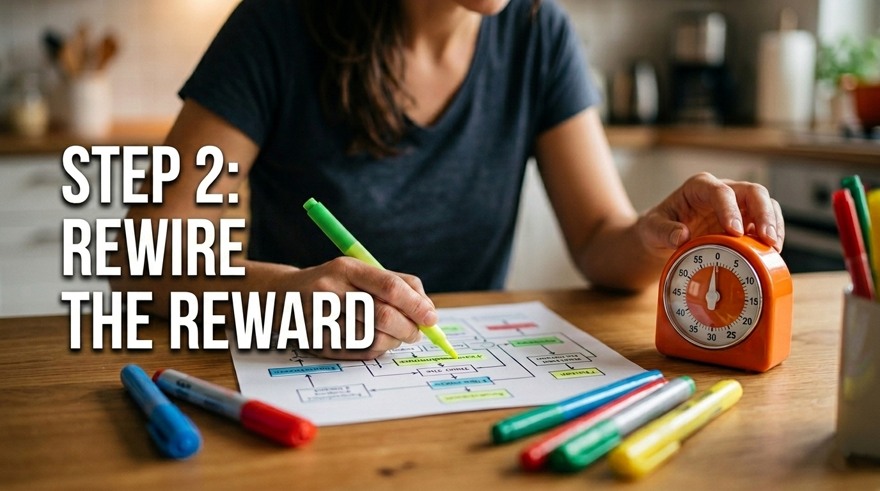
Here are three quick hacks:
Small Wins: Break your work into smaller parts. Draw a star or a checkmark after each section. That little act of completion? That’s a dopamine hit.
Pomodoro Game: Set a timer for 25 minutes. Make it a challenge to stay 100% focused until the ring. Your brain loves a calculation.
“Teacher” Hack: Explain concepts out loud as if you were teaching a class. Verbal mastery of information creates a feeling that feels good.
The ultimate hack? Study with purpose, not obligation. Don’t study for a grade; Study to satisfy your brain’s natural hunger to understand how the world works.
If you can connect biology to how your body performs at the gym, or economics to why your favorite brand has raised prices, the fear disappears.
Your brain is not broken; It was just hijacked. Take back control of your dopamine and you take back your future.
Try a 15-minute dopamine detox today and let me know in the comments: Which strategy are you starting with? Subscribe for more science-backed strategies every week. Let’s be dedicated to being distracted.
Bonus tips
1. The “15-minute boredom” buffer
Before you open a book, sit with 15 minutes No electronics.
- Why it works: This lowers your dopamine baseline. After 15 minutes of doing nothing, your brain actually want Reading is stimulating because it is better than total boredom.
Power Words: Recalibrate (to adjust or reset something for accuracy).
2. “Teach to Learn” Hack (Feynman Technique)
After reading a page, look away and explain it out loud as if you were teaching a 10-year-old.
- Why it works: You cannot teach what you do not understand. It forces your brain to clearly organize information, which triggers a feeling Mastery (a huge dopamine hit)
Power Words: verbalize (turning thoughts into words).
3. Micro-rewards and gamification
Don’t wait until the end of the day to celebrate. Give yourself a “win” every 25 minutes.
- Hack: use The Pomodoro Technique. 25 minutes of focus, then 5 minutes of whatever you want. At the end of each session, draw a “star” on your notes.
Power Words: Incremental (occurring on a smaller scale).
4. Change your environment (contextual learning)
Study biology in the kitchen and economics in the living room.
- Why it works: Your brain associates locations with information. If you get “stuck” on something, physically moving to a new room can “reset” your mental block.
Power Words: association (a mental connection between things).
5. Active recall (stop re-reading!)
Close your book and write down everything that comes to mind on a blank sheet of paper.
- Why it works: Rereading gives you “Illusions of Competence” (You think you know it because it looks familiar). Active recall forces your brain to actually dig into the information, which makes the memory stronger.
Power Words: restore (to find something and bring it back).
Frequently Asked Questions
1. Is it really easy to get addicted to studying?
Yes, it’s actually easy once you understand your brain Dopamine baseline. Most people fail because they try to study while their brain is still craving the high-stimulation of social media. By performing a “dopamine reset” and using the Pomodoro technique, you can rewire your brain to find joy in learning.
2. How can I learn English through storytelling?
One of the most effective methods of learning English through stories is because it provides Comprehensible input. Instead of memorizing dry grammar rules, you can see how the words “neurotransmitter” or “baseline” are used in real-life contexts. It helps with long-term retention and natural flow.
3. What is “Dopamine Reset” for students?
A dopamine reset involves spending a short period of time (usually 15-30 minutes) in complete silence – no phone, no music, no stimulation. It lowers your brain’s tolerance for dopamine, making “low-stimulus” activities like reading a textbook feel rewarding again.
4. Can I really improve my English in 2026 by watching videos?
While watching is a great start, 2026 is the key to learning the language Active engagement. After watching a story, you should summarize it in your own words, use new vocabulary in a sentence, or participate in the comment section to practice your writing.
5. What are the best “brain hacks” for long study sessions?
Includes the most effective hacks The Pomodoro Technique (25 min work / 5 min rest), Gamification (rewarding yourself after each chapter), and Active withdrawal (checking yourself instead of just re-reading). These methods trigger short dopamine hits that keep you focused for longer.
Conclusion: Your brain, your control
You don’t need a month in the woods or extreme lifestyle changes to regain your focus. It starts with understanding that your brain is a “heat-seeking missile” for dopamine. By lowering your baseline and gamifying your progress, you’ll find it It’s easy to get addicted to studying When you have the right system.
Let’s practice:
- Which part of today’s story was most helpful for your English practice?
- Are you going to try the “15-minute reset” tomorrow?
Leave a comment below with the word “Ready” if you take back control of your focus today!



