
During his political campaign, Trump promised to end protracted wars and reduce the burden of global conflict on the United States.


In international politics, power can be used in various ways: through diplomacy, persuasion, economic cooperation and, if necessary, the use of force. However, when a leader begins to rely almost exclusively on coercion and pressure, world politics can quickly become unstable. Strategic thinkers have long warned that when power is used as the sole tool of policy, it often produces unintended consequences. Donald Trump’s leadership style provides an important case study of how an overreliance on coercive tactics can reshape geopolitical relationships and create new strategic dilemmas.
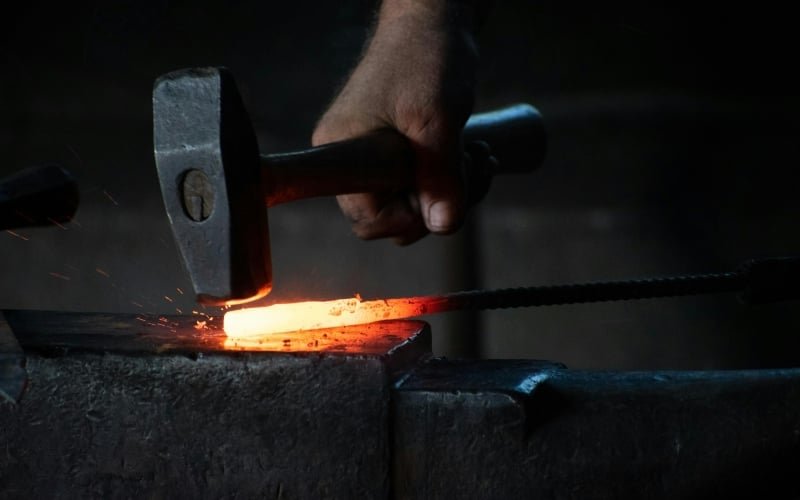
During his political campaign, Trump promised to end protracted wars and reduce the burden of global conflict on the United States. His message resonated with a large segment of the American electorate who had grown weary of decades of military engagement overseas. Yet, once in power, his broader strategic approach often appeared to rely on what might be called the “hammer strategy”—the idea that political pressure, economic sanctions, and the threat of force could solve nearly every international challenge.
In classical diplomacy, even powerful states must distinguish between allies, competitors, and adversaries. Effective foreign policy requires carefully calibrated tools for each department. Trump’s approach, however, often blurs these distinctions. Competitors and partners often face similar pressure instruments. Tariffs were imposed on friendly economies, alliances were publicly questioned, and diplomatic negotiations were often accompanied by threats of punitive measures. While such strategies may generate short-term leverage, they can erode long-term confidence.
Coalitions don’t just stay in power; They rely on credibility and predictability. When traditional allies begin to feel that their partners are treated as bargaining chips instead, strategic uncertainty increases. Over time, this uncertainty encouraged countries to diversify their diplomatic and economic relations. In geopolitical terms, excessive use of coercion can accelerate the multilateralism that a dominant power seeks to avoid.
Another consequence of the “hammer strategy” is the formation of reactionary coalitions. States that feel pressured by unilateral decisions often seek new forms of cooperation with other powers to balance against perceived dominance. History shows that when a great power overuses coercive tools, it can inadvertently pressure smaller and middle powers to explore alternative partnerships and regional arrangements.
Furthermore, the constant reliance on threat and conflict narrows the diplomatic space necessary for crisis management. International conflicts are rarely fully formed; They grow through stages of misunderstanding, miscalculation and revenge. When diplomacy is replaced by the language of pressure, each escalation becomes difficult to control. The result is a strategic environment where even minor disputes can escalate into major conflicts.
The paradox of this approach is that it can undermine the objective it seeks to achieve. A leader who aims to project power may inadvertently create alienation if partners are unwilling to align with conflicting principles. Power in the modern international system is measured not only by military capability but also by the ability to build alliances, maintain legitimacy, and shape global norms.
Therefore, the metaphor of the hammer holds a broader lesson about leadership in world politics. Force and pressure remain important tools of state strategy, but they cannot substitute for diplomacy, strategic patience, and institutional cooperation. Great powers maintain their influence not only by wielding power, but also by knowing when not to use it.
If a superpower begins to treat every geopolitical challenge as a nail that needs hammering, it risks undermining the very international order that sustains its influence. In this situation, the leader may still hold the hammer of power, but increasingly find that few states are willing to stand under it.
–
Previously published Public Health Watch with Creative Commons License.
***
In the substack? Follow us there For more great dating and relationship content.
–
Photo by Unsplash