
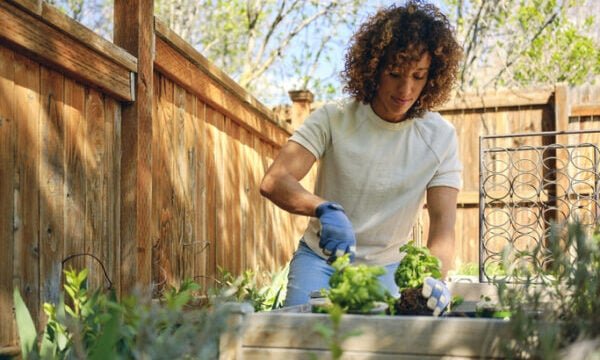

With the care you give your plants to your indoor garden, you cultivate resilience and focus.
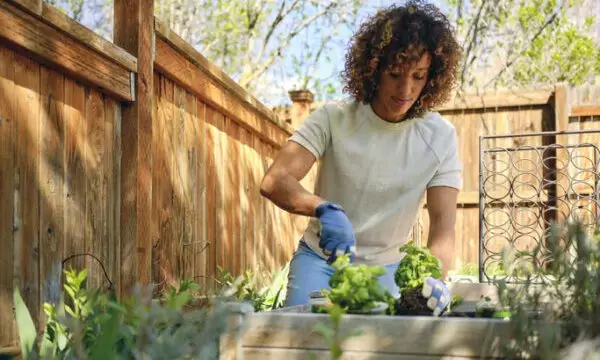

Growing up in a family-owned garden center, I didn’t expect it to become such a powerful metaphor for personal growth. Over time, I’ve come to realize that tending to plants mirrors ideas, stories, and even the process of nurturing ourselves. As a ghostwriter and writing strategist, I’ve seen how this simple practice can inspire clarity, patience, and resilience—qualities needed by leaders, founders, clinicians, and wellness experts as they craft their authentic content.
Gardening is more than a hobby. It is a hands-on lesson in growth, transformation and care. In this post, I’ll share how gardening fuels personal growth and how you can apply these insights to your creative and professional journey.
Gardening for Personal Growth: The Roots of Transformation
Gardening teaches us to start with a strong foundation. Just as plants need healthy soil, your projects and personal development need a solid foundation of values, vision and purpose.
- Planting seeds of intention: Before you write a book or create a brand, clarify your purpose. Do you want to grow? What effect do you want to create? This clarity guides your actions and decisions.
- Cultivate patience: Plants don’t bloom overnight. Likewise, personal growth and creative projects take time. Embrace the slow process and celebrate the small wins.
- Adapting to change: Weather, pests and seasons affect your garden. Life and work bring unexpected challenges. Flexibility and problem solving keep you moving forward.
With the care you give your plants to your indoor garden, you cultivate resilience and focus. This mindset is crucial when crafting complex health, wellness or life-experience stories that demand empathy and accuracy.
How gardens mirror the creative process
Writing and gardening go together wonderfully. Both require planning, nurturing and adaptation.
- Preparation: Just as you prepare the soil and select seeds, you research and outline your content. This foundation ensures that your ideas have fertile ground to grow.
- Consistent Care: Water, weed, and prune to keep plants healthy. Likewise, proofreading, fact-checking, and voice refinement maintain the quality of your writing.
- Patience with growth: Plants grow at their own pace. So don’t assume. Let your manuscript or article develop naturally without rushing.
- Harvest Results: The joy of harvesting a fresh harvest parallels the satisfaction of publishing a polished book or article that resonates with your audience.
This analogy helps me guide clients through the writing process with empathy and clarity. It’s a reminder that growth — whether botanical or creative — is a journey, not a race.
Practical steps to using the garden for personal growth
You don’t need an extensive garden to benefit from this practice. Here are effective ways to integrate gardening into your personal and professional growth:
- Start small: A windowsill herb garden or a few potted plants can teach you the basics of care and patience.
- Set intentional goals: Determine what you want to learn or improve through gardening—such as mindfulness, patience, or creativity.
- Journal Your Progress: Track your personal insights as well as the growth of your garden or plants. Reflect on challenges and successes.
- Create a ritual: Use the garden as a daily or weekly ritual to disconnect from screens and reconnect with yourself.
- Apply Lessons to Work: Notice how patience, observation, and adaptability in the garden translate to your writing and leadership.
These steps foster a grounded, mindful perspective that benefits your creative projects and personal well-being.
Why voice-matching and trauma-informed writing matter
As a ghostwriter, I prioritize voice-matching and trauma-informed approaches. Gardening lessons of compassion and care deeply inform this work.
- Voice-matching: Just as each plant species has unique needs, so does each writer’s voice. Capturing that voice authentically requires careful listening and respect.
- Trauma Informed Writing: Many stories involve sensory experiences. Approaching these with care, avoiding medical claims and focusing on empowerment is essential.
- Plain-English clarity: Gardening teaches simplicity—water, sun, soil. Likewise, clear, jargon-free writing connects better with readers.
This ethical, human-centered approach fosters trust and authority, enabling wellness leaders and life-experience storytellers to share their stories in powerful ways.
Gardening is a simple yet profound practice that fosters patience, resilience, and clarity—qualities that foster personal and professional growth. Whether you’re planting seeds in soil or ideas on a page, the principles remain the same. Embrace the process, carefully tend your growth, and watch your story unfold.
Previously published Deborah Holmen’s blog
iStock Image