

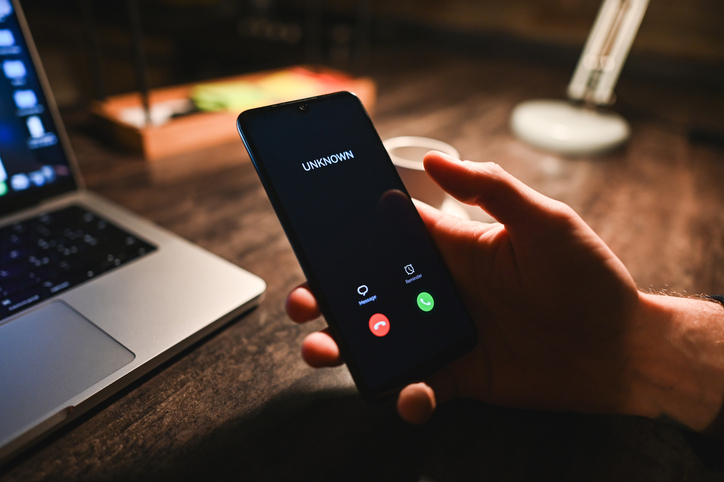
You may not realize it, but your phone has become an open door for corporations, scammers, advertisers and marketers to access you every hour of the day. Most people take it for granted as harassment comes in text messages, robocalls, push notifications and emails. The problem is that constant digital intrusion can have a negative impact on your life.
When you are constantly busy with your phone, you don’t get much time to sit with your own thoughts and your brain can’t calm down. Constant digital stimulation creates unnecessary stress and anxiety, kills your attention span and leaves you exhausted for no apparent reason. This level of disruption took years to normalize. This was unthinkable twenty years ago.
Your attention is the most valuable commercial product
The company wants your attention Because every view and click has the potential to turn into revenue. You think these companies are chilling by sending you coupon codes and deals, but they’re actually driving you into a long-term marketing funnel where they’ll keep sending you emails and texts until you buy from them.
While email and text messages are easy to opt out of, robocalls can be a little trickier When you request to be removed from someone’s list, they must remove you immediately. When you give your number to official Do not call the registryCompanies are not allowed to call you without your express permission. Still, millions of people get annoying robocalls every year.
Laws like the Telephone Consumer Protection Act (TCPA) were created to stop these calls, but many companies routinely violate the law. If you are on a do not call list or you have unsuccessfully requested to be removed from a certain call list, you may The basis for a TCPA lawsuit.
Notifications train you in compulsive behavior
Studies have shown that people Check their phone about 200 times a day. That’s a lot considering most people have tasks they need to focus on throughout the day.
Every time you get a ding or push notification on your phone, it trains you to immediately click to see what happened. It is intended to keep you engaged and influence you to spend money.
Constant interruptions impair your ability to focus
Being subjected to digital harassment changes your brain with enough repetition. It gradually kills your attention span and ability to concentrate even for a few minutes. The more interruptions you experience, the harder it is to maintain deep focus.
Part of the problem is the constant switching between apps and text messages. If you are constantly flipping between browser tabs and applications, you are not fully concentrating on anything If you want to focus on a specific task, a single notification can throw you off.
It takes 23 minutes in total Refocus after an interruption. When those interruptions occur throughout the day, it becomes impossible. Over time, this experience rewires you to seek out quick dopamine hits that don’t require actual engagement. If you find yourself struggling to read long articles, books or emails without switching to other apps, now you know why.
Social media induces hypervigilance
Social media platforms train users to be in an emotionally responsive state. Algorithms are designed to deliver content that people already believe, keeping the most inflammatory comments to the fore. For example, a post can have 1,000 comments, and Facebook will display the comments that are getting the most negative attention. This is by design. Controversy creates more interactions and means ads get more visibility and companies earn more.
Unfortunately, the experience of being constantly triggered by social media content It doesn’t stop when you put your phone down. Many people remain in a state of hypervigilance even after disconnecting from a particularly heated debate.
Boundaries are important
If you are always accessible, digital harassment will follow you everywhere. However, this can be avoided by setting boundaries. There’s no need to completely stop using your phone or delete all your social media apps at once Start slowly by reducing the amount of time you spend using social media and schedule specific times to rest without looking at a screen. This will help you regain your attention span and you may notice that you sleep better and feel less anxious.
Silence and time for yourself are precious
It’s easy to think that spending time on your device is part of real life, but it’s really just digital words competing for your attention to enrich corporations. Many people think digital disruption is inevitable, but that doesn’t have to be your reality. Once you understand how your devices and apps are manipulating your behavior to enrich advertisers, you can regain your focus and protect your mental space from constant intrusion.
–
This post was brought to you by Larry Alton
Image: iStock