


(Feature Impact) You’re not imagining it – like many products and services, the cost of pet care has gone up.
In fact, Healthy Paws Pet Insurance reports a 38% increase in pet services over the past five years with pet parents spending more than $4,200 a year on routine costs for a cat or dog.
A number of factors are contributing to the increase in costs, from higher ingredient prices for pet food – such as meat and grains – to shortages of veterinary drugs. Add in rising labor and transportation costs, and those daily expenses can start to take a big bite out of your budget.
There are easy ways to keep costs under control, however, while still giving your furry friends the care they deserve:
1. Prioritize preventive care
Routine checkups, vaccinations and screenings can catch health problems early when they are easier and less expensive to treat. Most pets should see a vet at least once a year, while puppies, kittens and older pets may need more frequent visits.
Preventive medicine also plays an important role. For example, treatment for heartworm disease can cost thousands while monthly prophylaxis costs $15-$30.
2. Focus on daily wellness
Consistent exercise helps reduce the risk of chronic conditions and supports overall health. Most dogs benefit from at least 30 minutes of daily activity while cats need regular play to stay active.
Eating appropriate portions can also help with weight maintenance. Portion sizes vary, but a good starting point is the feeding guidelines on your pet’s food label, adjusted as needed with input from your veterinarian.
3. Find support in your community
Many local humane societies and rescue groups offer resources that make pet care more accessible, including low-cost vaccinations, spay and neuter services, and discounted supplies.
For seniors, local Meals on Wheels providers can be an important resource. With the help of PetSmart Charities, many local providers offer services such as free pet food and, in some cases, veterinary care and grooming. To date, this collaboration has distributed over 20 million pet meals, helping to keep pets healthy and in loving homes with older adults.
4. Plan ahead for unexpected expenses
Even with routine care, unexpected illnesses or injuries can occur — and add to costs. The PetSmart Charities-Gallup State of Pet Care study revealed that 52% of pet parents will avoid or refuse veterinary care services in 2025, with most citing cost as a key barrier.
Pet insurance can help manage risk. Most policies pay a percentage of covered veterinary expenses after you meet a deductible, which helps offset unexpected bills. Plans vary, but the average monthly premium is about $60 for dogs and $30 for cats.
It’s also important to be open with your vet about financial concerns. In many cases, clinics may be able to offer or find payment plans Low-cost veterinary care resources in your area.
To find a local provider and find out if pet help is available in your area, visit mealsonwheelsamerica.org/lovepets.
It is a companion through all
Lois was hospitalized for eight months due to a devastating cancer diagnosis. Later, he started getting home-delivered meals through his local Meals on Wheels provider. That connection proved to be a lifeline.
“When I was sick,” Lois said, “Meals on Wheels volunteers … were the only company I had.”
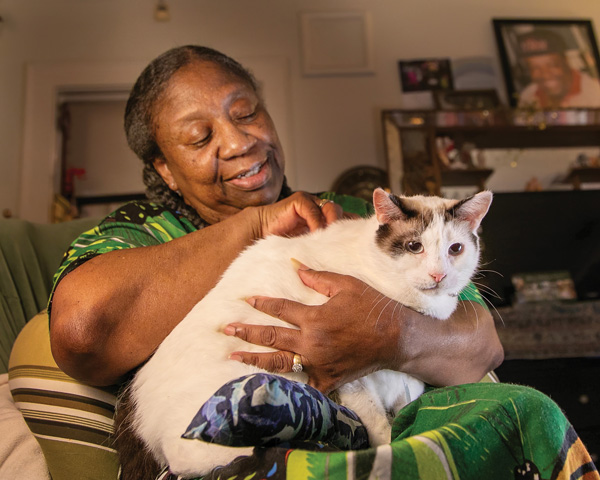
That changes when a tiny white kitten with calico markings shows up at her front door. Today, that kitten — now named Grace — is rarely far from Lois’ side.
While Grace softens Lois’ loneliness, caring for a pet on a fixed income isn’t always easy. For many seniors, this can mean making difficult choices, such as stretching out groceries or delaying medical care, just to afford pet food and supplies. With the help of her local provider, meals are delivered to Grace as part of Lois’ regular meal service, helping to keep them both healthy, happy and most importantly together.

Source:
–
Previously published at editors.familyfeatures.com
***
Join The Good Men Project as a Premium Member today.
All premium members can see A full list of benefits is here.
–
Photo credit: Meals on Wheels



