Whenever you think of meditation, the usual position is one sitting with eyes closed. However, this is not the only meditation position. You can meditate while walking and enjoy the wide range of facilities.
What is walking meditation?
Walking meditation can be described as a meditation in motion. You don’t close your eyes, but you are standing and communicating with the outside world. However, it differs from your usual walk in the park in that it works at a much slower pace.
You have to coordinate the steps to create a rhythm with your breathing. You can use other Focusing techniques To keep you in the present moment and help you develop a steady rhythm.
Walking meditation vs. sitting meditation
While seated meditation is a common and common meditation practice, walking meditation offers a different take on it and new opportunities to integrate regular meditation into your life.
Generally, seated meditation requires you to identify a specific time and place where you will be free from distractions to focus your mind on finding inner peace. Unfortunately, even for five minutes of meditation time, it can’t be that simple.
Another challenge with sitting meditation is finding yourself in the present moment, especially if you want to practice mindful meditation. It’s easy to get lost in thought, but walking meditation gives you plenty of physical sensations to focus on, and developing a breathing rhythm is much more relaxing.
Another advantage of walking meditation over sitting meditation is the slower return from meditation and longer retention of inner peace. When meditating, you’ll likely be walking and focusing on the present moment, unlike sitting meditation, where the transition feels like a snap.
The comfort of walking means you can practice walking meditation for longer than sitting meditation. Pain is not an issue from the postures used, and it is a method that works well with everyone from beginners to those seeking advanced meditation.
The benefits of walking meditation have been recognized since ancient times, and it is a practice that has even been incorporated into sitting meditation to break up boredom. If you are a busy person, walking meditation comes in handy as you often walk to and from the office and even during daily activities like shopping and on weekends when you go to the park.
About ten minutes of this time is needed to fit into your meditation. Ultimately, both sitting and walking meditation have their strengths, and you should try them both and find the one that best meets your needs.
Related reading: New to meditation? Here are the main mistakes you can make
A form of walking meditation
Different types of walking meditation techniques differ in the location and pace used and the nature of the walking meditation. Here’s a look at some of them.
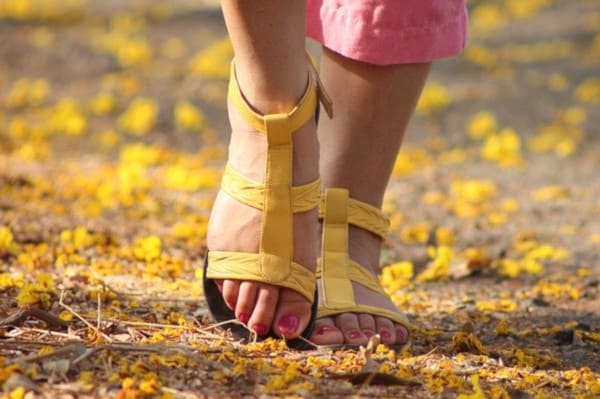
Guided Walking Meditation
Guided meditation, as the name suggests, is when you have an instructor take you through the meditation. This is a powerful way to fully immerse yourself in meditation, especially for beginners. You can get the same instruction while doing walking meditation.
Guided walking meditation helps you get into the right frame of mind quickly, and the instructor allows you to visualize images and experiences that can anchor your meditation.
Guided meditation can be used to achieve specific results such as spiritual healing and stress relief. The guide is usually in the form of a recording that you can easily download and use from your phone when you begin your meditation.
Indoor walking meditation
Weather and other restrictions may mean you can’t access the outdoors whenever you want. As a result, you are limited in space in your room. Fortunately, you can still practice indoor walking using other walking techniques.
This is not to be confused with a restless pace, so the pace begins to form a comfortable rhythm and as you settle into it and become more aware of the different sensations, you slow down further.
Mindfulness Walking Meditation
Mindfulness walking meditation is the foundation of all other modern forms of walking meditation. It is an adaptation of traditional Buddhist meditation practice.
Instead of focusing on the soles of your feet, it’s open to a variety of perceptions, and you engage all your senses to the objects and stimuli around you as you immerse yourself in the full walking experience. This allows you to check your physical body and mental state and adapt and shape yourself to the walk.
Thich Nhat Hanh meditation
The main difference in this walking meditation technique is the addition of affirmation statements aimed at creating a positive mental state. It follows the guidelines of Vietnamese Buddhist monk Thich Nhat Hanh and requires walking slowly while being aware of all the sensations around you and expressing your gratitude.
You say the affirmation every time you inhale and every time you exhale. For example, when you are breathing in, you can say, ‘I am here.’ When you are breathing out, you can say, ‘I am at home.’
Zen Walking Meditation
Japanese Zen walking is traditionally known as kinhin. It is usually done in a room so it can be considered a form of indoor walking, but it has specific instructions on the posture and direction of the walk.
Mother-in-law should walk clockwise while maintaining the position. As you move your legs, start with the right leg after a full breath cycle.
Grounding walking meditation
Grounding is an essential aspect of meditation. It is also known as earthing. It performs the task of rejuvenating your body’s electrical charge with a negative charge, which helps balance your body’s numerous positively charged ions that weigh it down.
Advantages of grounding Rejuvenates your energy, reduces inflammation, boosts your mood, helps your sleep quality, relieves muscle and joint pain, and lowers your stress levels.
Walking provides a more natural way to add grounding to your meditation. All you need to do is find a place that you are comfortable walking barefoot and use any walking meditation technique.
You begin your meditation, centering yourself by feeling the earth beneath your feet and taking in sensations throughout your body. Make each step purposeful, explore the changes and engage all your senses in the richness of nature.
Related reading: Guide to different types of meditation practice – Opens in new tab
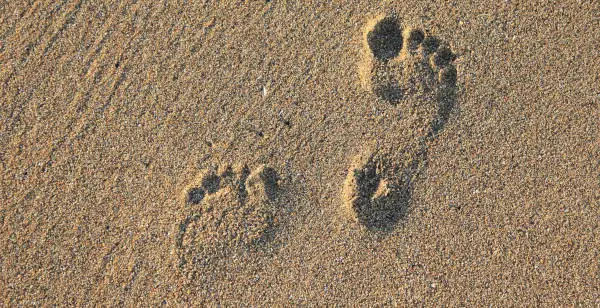
Walking Meditation Instructions
Walking meditation does not require a lot of distance or time. D Instructions are here Follow the guidelines provided by expert Jon Kabat-Zinn.
To get the maximum benefit and see the impact of meditation in your life, you should practice it for at least 10 minutes for about a week. Here are the steps to follow:
- Choose a suitable location. You will need a space that allows you to walk back at least ten to 15 feet. It should be peaceful so that there is minimal chance of chaos and where you can’t attract attention from small steps and the slow nature of walking can look strange to people who are not used to it.
- Start your steps from one end and complete the 10-15 mark, then stop and breathe as long as you need before walking back and repeating the same thing. As you do this, prepare the elements of each step by deliberately lifting the foot off the ground, carrying it, putting it forward, healing, and shifting body weight to the next lift.
- Although you can choose a pace that is most comfortable for you, the pace is deliberately stagnant and small steps in most techniques. But the most important thing is to feel natural.
- Do you notice that your mind is wondering, take the thought or feeling and bring yourself back into the rhythm of your walk through a mantra, breath, or present objects and sounds around you.
- It’s easier to focus your attention because you’re trying to keep your mind in the present, and there are numerous sensations like walking outside. You need to focus on the tasks and things you normally undertake, such as how your head is balanced on your neck and shoulders.
- Your posture is important, use an upright and comfortable position without slouching and stiffening.You can hang your arms freely at your sides or lean forward or backward.
Related reading: 8 Health Benefits of Meditation – What New Research Shows
Benefits of Walking Meditation
Walking Meditation You get both benefits from physical activity as well as meditation. of The benefits are both physical and mental and includes the following;
- It helps to make blood circulation more efficient and effective, especially in the lower body by removing stagnation and lethargy.
- When combined with meditation, walking produces significant results in dealing with stress compared to walking alone.
- It has also been found that people who practice walking meditation at least three times a week for 30 minutes have better blood sugar levels, especially for people with type 2 diabetes.
- Walking meditation improves your general well-being, reduces anxiety levels, blood pressure and improves mood.
- Walking meditation also helps improve your creativity as it relaxes the mind and brings clarity focus to your thinking, which stimulates creativity.
- Walking meditation helps improve your general fitness and balance as you become aware of your coordination and it helps add to your regular physical activity.
- Walking meditation also offers better sleep quality as it improves your muscle flexibility while reducing muscle tension and calming your mind.
- Walking helps you improve digestion as it helps food move through the digestive system and helps release gas from the stomach and prevents constipation.
You don’t need much to start walking meditation, and it’s a good practice, especially if you’re looking for light physical activity. You can add it at the end or beginning of your regular workout or during a normal walk from work.
Do you want to know more about meditation? See our recommendation at”Meditation bookshelf” And many of our free resources “Free Meditation Library“ – Opens in new tab
Featured image by Simon Lehmann from Pixabay